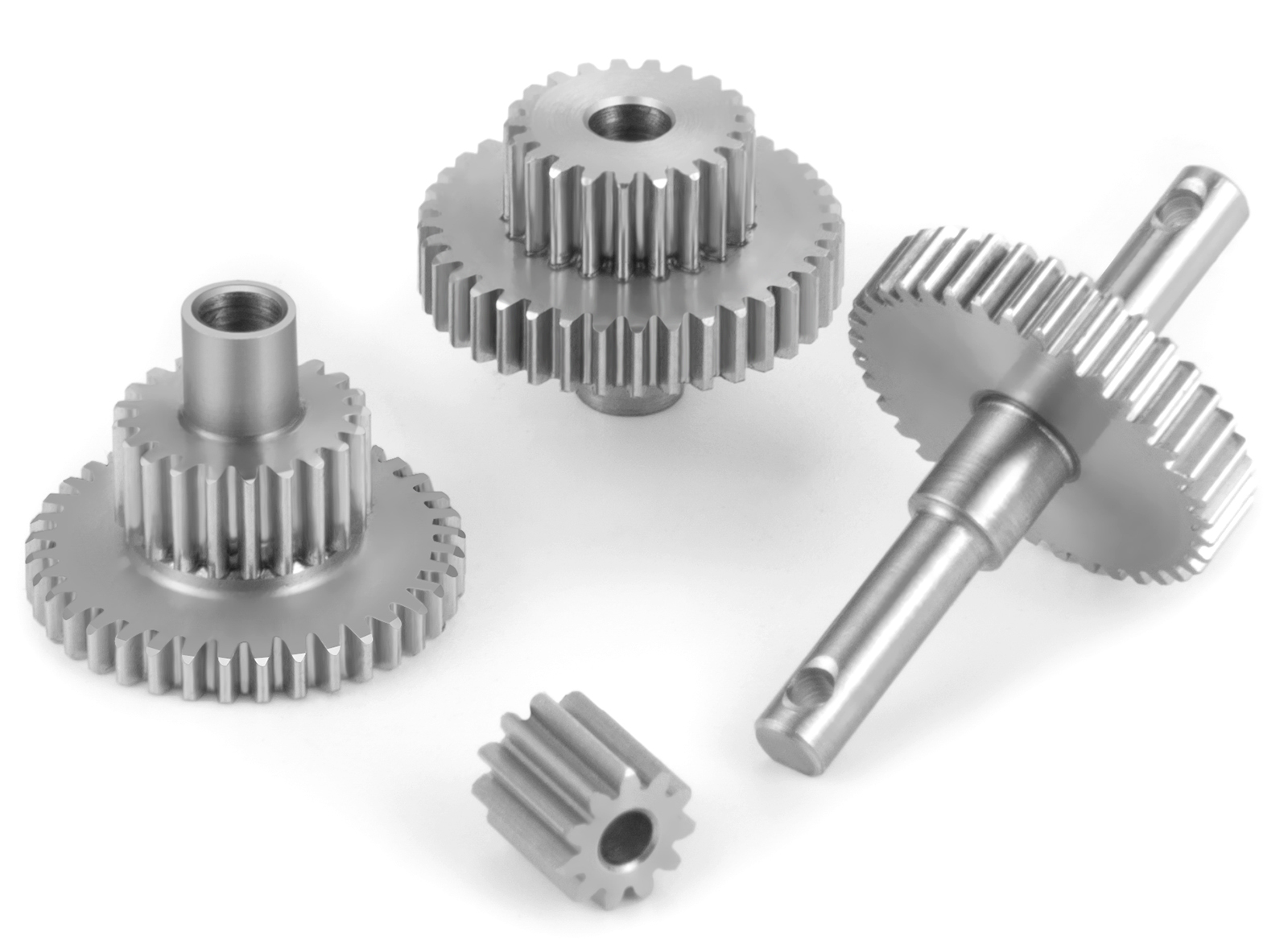
In plastic product development, a prototype may need to confirm fine features, assembly clearances and how a mechanism moves before the design is ready for production. Choosing a manufacturing process starts with what the sample needs to demonstrate. A complex plastic part with closely spaced teeth provides a useful example of how 3D printing and CNC machining can support different stages of development.
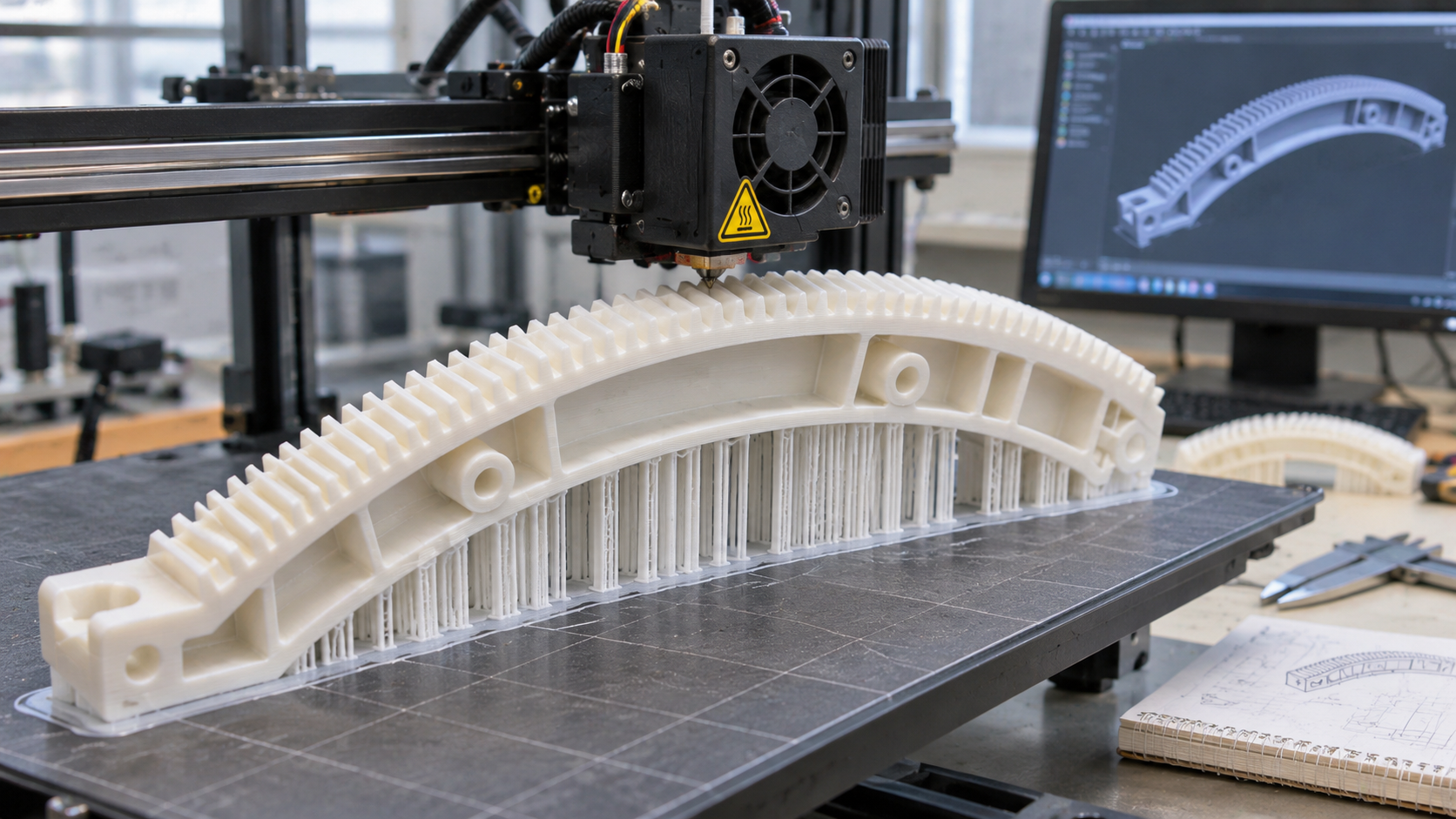
The component in this example was produced by 3D printing, which builds a part layer by layer. CNC machining removes material from solid stock using cutting tools. Both processes can produce prototypes without an injection mold. For small quantities, printing can be especially useful when intricate geometry would require very small cutters, difficult tool access or multiple machining setups.
A printed sample can help engineers assess the tooth layout, clearances and assembly relationships before investing in production tooling. When the design changes, the model can be revised for another iteration. Fine details still need to be checked against the chosen printing technology, material and finishing requirements, including any support removal around delicate features.
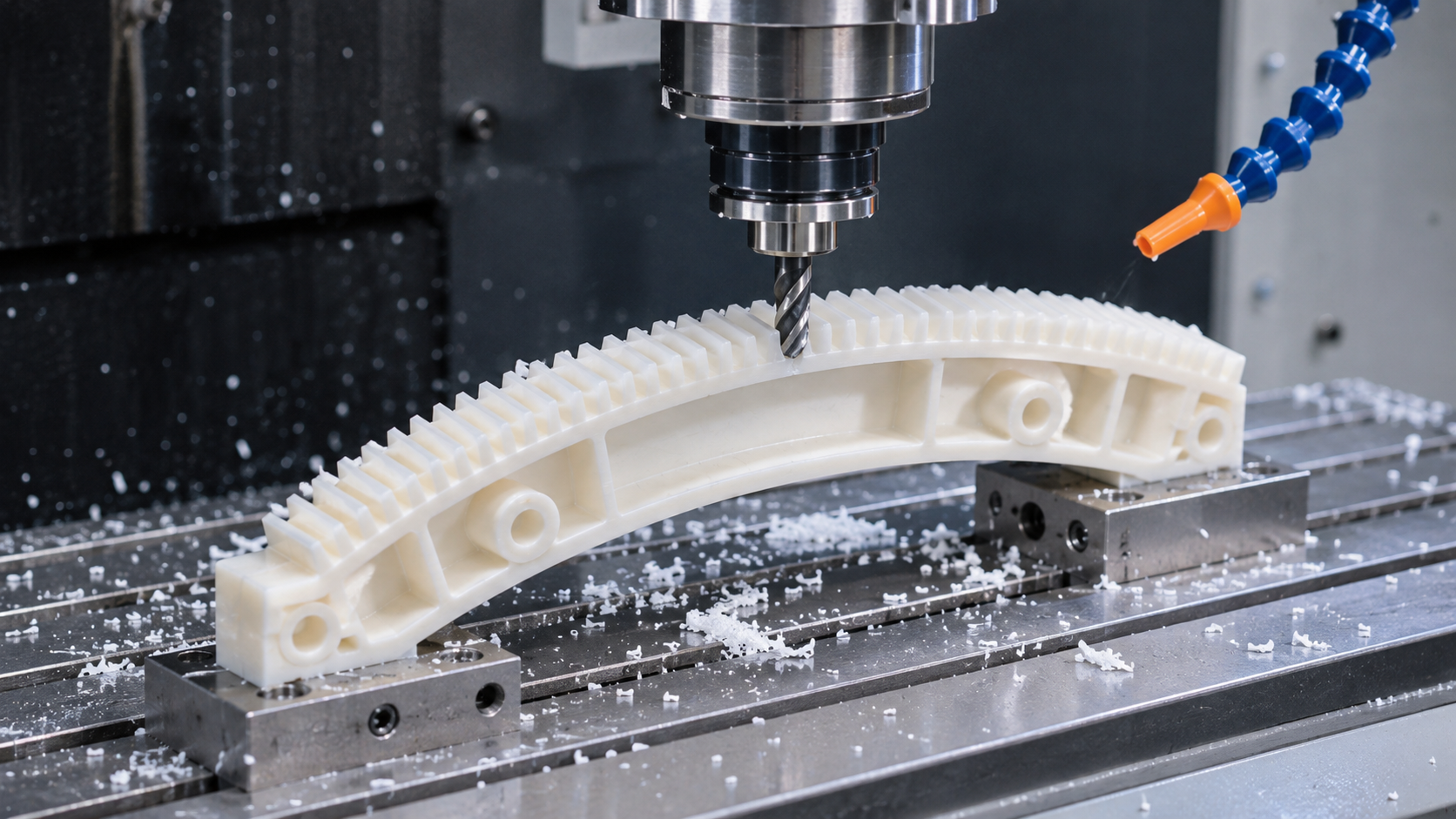
The next question is whether the sample needs to carry load, resist wear or operate repeatedly. Printed surface finish, accuracy and mechanical properties vary with the process, material, build orientation and post-processing. These should be assessed against the actual test. CNC machining may be preferable when a specified engineering plastic, critical mating surfaces or a machined finish is required, provided the geometry allows access for the cutting tools.
As quantities increase, the production route should be reviewed again. Injection molding can become attractive for stable designs when the volume justifies tooling, while CNC machining remains useful for suitable functional parts and production runs. Industrial 3D printing can also support production in appropriate applications. The decision should consider total cost, geometry, material performance, tolerances and lead time, alongside whether the design suits the intended production process.
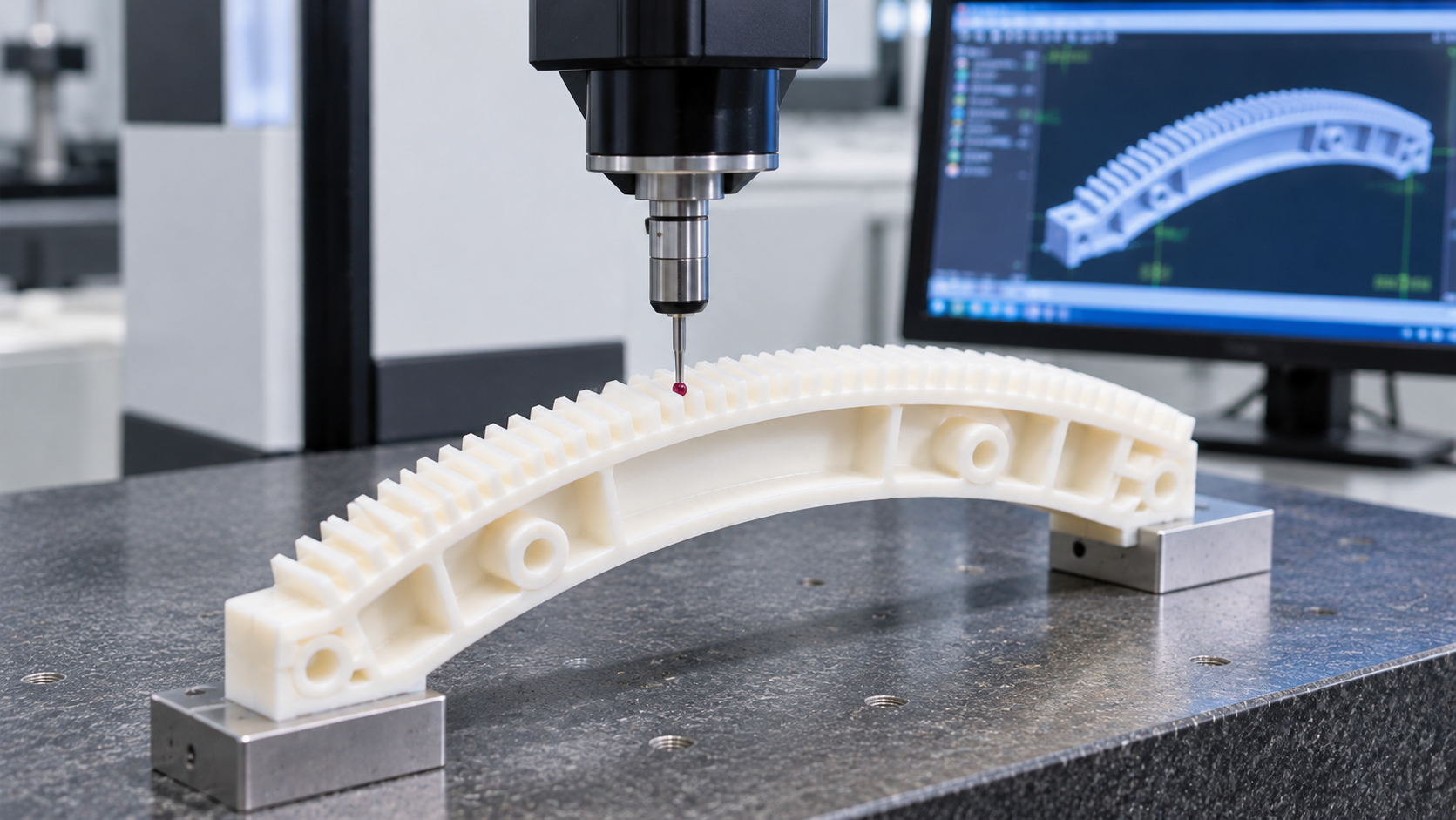
ARES Mold supports plastic CNC machining, 3D printing and injection molding for product development and production. We review geometry, material, critical dimensions and test objectives before recommending a process, so the prototype plan reflects what your project needs to verify.
Send ARES Mold your 3D models and 2D drawings, along with the material, quantity, critical tolerances and intended tests. We can then assess a suitable route using 3D printing, CNC machining or injection molding.