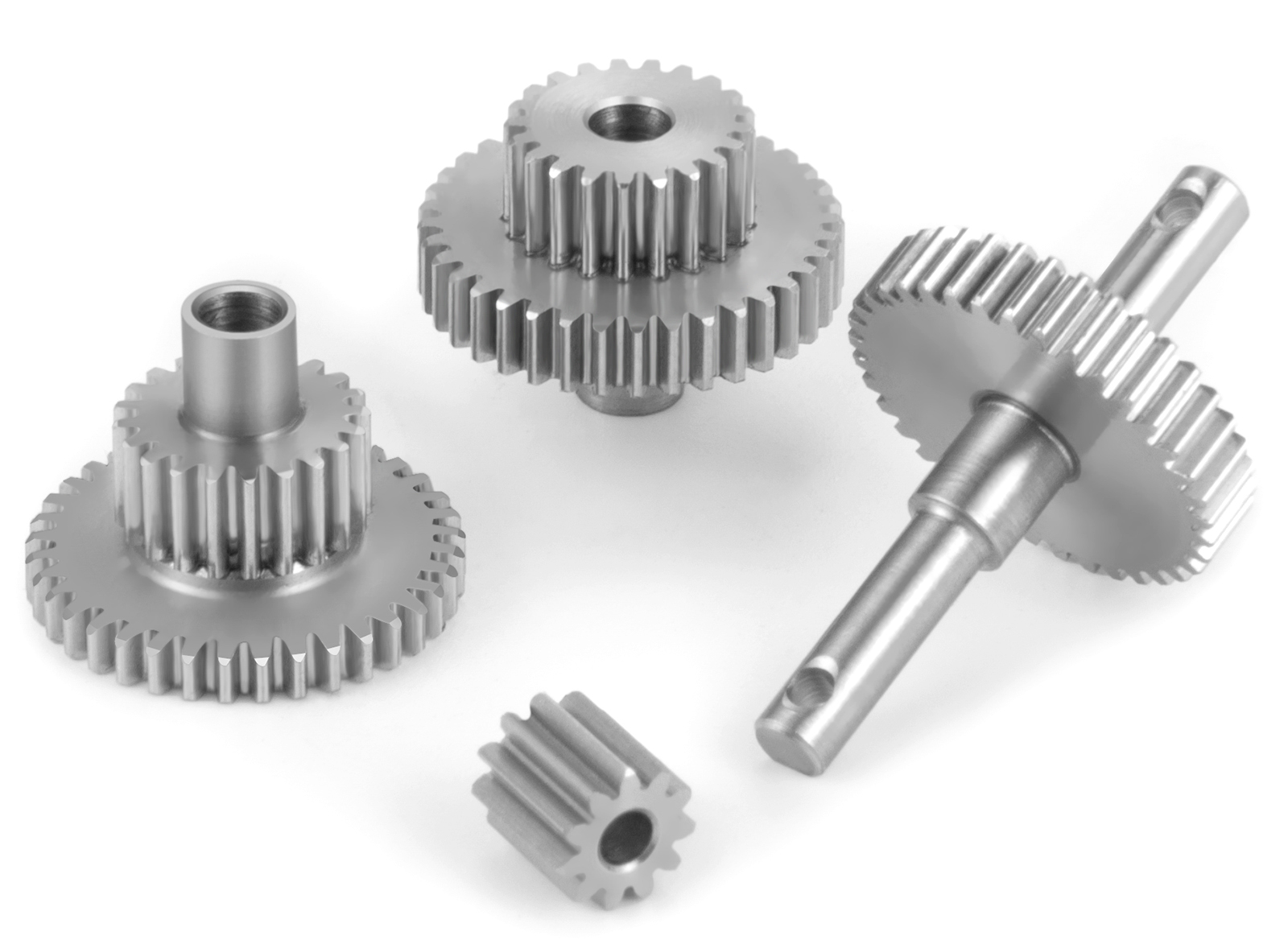
Mastering Precision: Why Most Shops Fail at Irregular CNC Parts
In the machining world, irregular parts aren't just "produced"—they are engineered into existence through grit and expertise. When a drawing shows up with complex curvatures, thin walls, and zero flat surfaces for clamping, most shops walk away. Why? Because these parts demand more than a high-end machine; they demand an intuitive understanding of how metal reacts under stress.
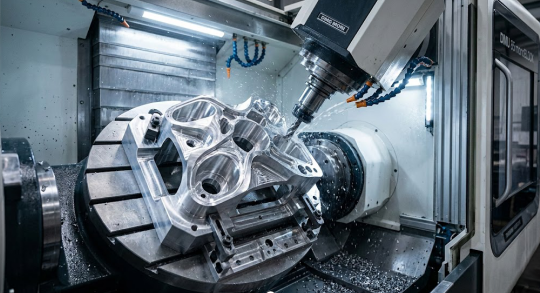
The biggest nightmare with irregular parts is the lack of a reliable datum. Without a flat base, a standard vice is useless. We don’t force it; we innovate. We design and CNC our own custom form-fitting jigs or soft jaws that wrap around the workpiece like a glove. For shells thinner than 1mm, we even utilize vacuum suction or cryogenic fixturing. The goal is dead-simple: zero movement and zero deformation. If the part breathes even a micron during the cut, it’s scrap.
Interference and visible step marks are the signatures of a job done poorly. On high-end robot joints or optical housings, deep undercuts are everywhere. If you try to flip the part on a 3-axis machine, you lose your tolerance with every setup. We go full 5-axis simultaneous with RTCP (Rotation Tool Center Point) technology. This keeps the tool normal to the surface at every millisecond. The result? Shorter, stiffer tools, zero chatter, and a surface so smooth it looks like it was polished, not cut.
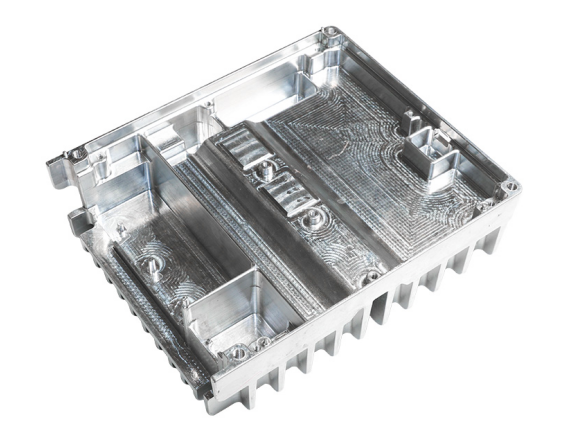
Metals have a memory. When you hog out massive amounts of material from an asymmetrical part, the internal stress is released, and the part twists like a pretzel. A veteran knows better than to finish it in one go. We rough it out, leave a uniform allowance, and then put it through an artificial aging cycle. We let the metal relax before the final micro-shave. That is how we ensure that the part on the machine is the same part the customer sees at QC.
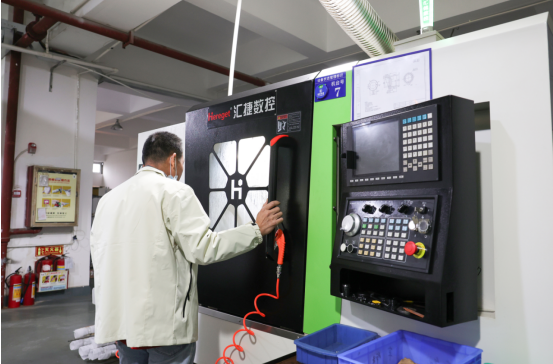
Ultimately, conquering irregular parts is about closed-loop control. From custom fixture design to collision-free simulation and final CMM verification, every move is calculated. Being able to handle the "impossible" jobs—the ones other factories won't touch—is the true measure of a precision shop. If you are struggling with parts that fail to meet precision standards or deform during clamping, ARES 15 years of high-difficulty machining to the table. From fixture design to final delivery, we solve the problems others can't. Let’s build something precise.