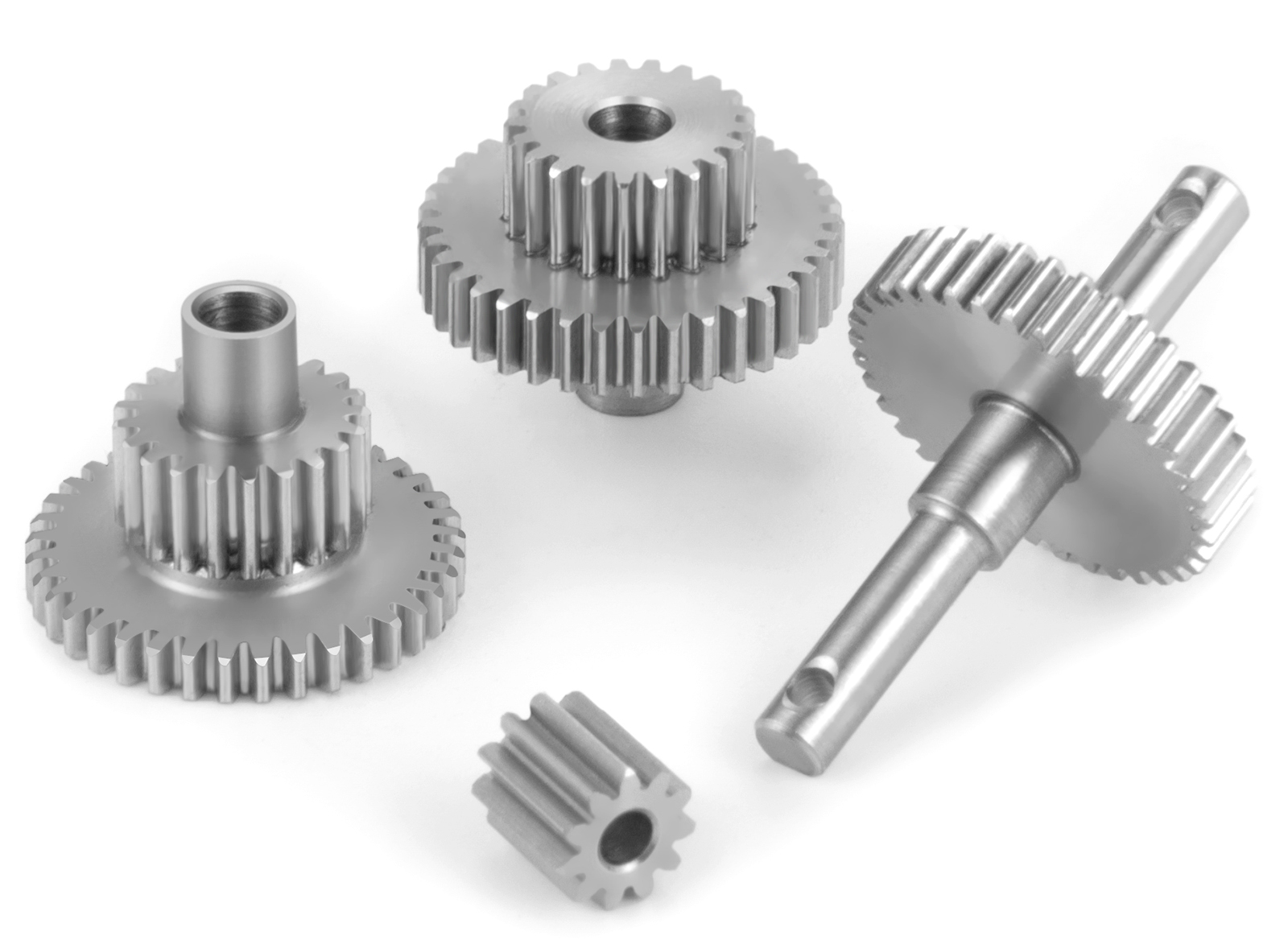
316L Stainless Steel for Metal 3D Printing: Applications and Engineering Use Cases
In metal 3D printing, 316L stainless steel is typically used in applications where part geometry, operating environment, and functional integration exceed the limits of conventional manufacturing methods.
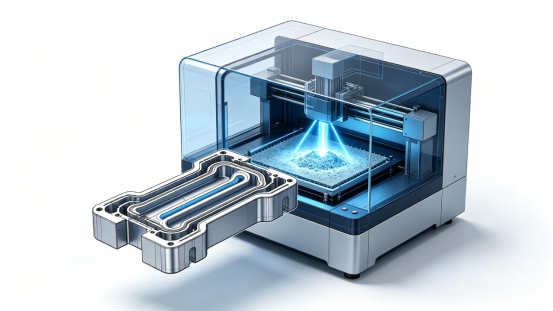
It is not a default material choice. In most projects, engineers only consider 316L after the design has already been defined and evaluated against machining, casting, or alternative additive materials.
One of the most common application areas is compact mechanical assemblies that combine structural load-bearing and internal functionality in a single part. These components often include integrated mounting interfaces, internal channels, and enclosed cavities within a unified geometry. Traditional manufacturing would require multiple parts and assembly steps, while 3D printing enables a single consolidated structure.
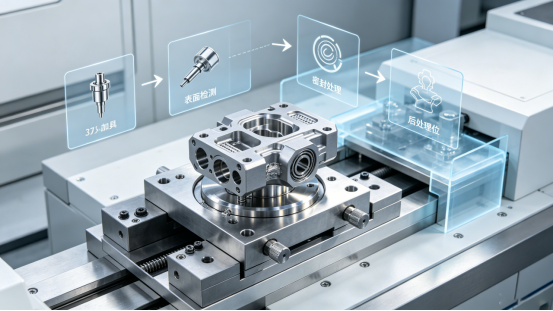
316L stainless steel is used in these cases because the part must maintain both geometric complexity and mechanical stability under service conditions. The material allows internal features and thin-walled structures to remain functional without introducing excessive deformation or localized failure at connection points.
Another important application is environments where long-term exposure to moisture, fluids, or chemically active media is expected. In such conditions, material stability becomes more important than manufacturing cost or processing efficiency. 316L provides consistent performance under these conditions, making it suitable for fluid system components, industrial equipment housings, and functional enclosures.
In addition, 316L is frequently selected for components that require post-processing after printing. Many metal 3D printed parts undergo CNC machining, sealing treatment, or surface finishing to meet final tolerance requirements. The material’s predictable machining behavior supports hybrid manufacturing workflows without compromising structural integrity.
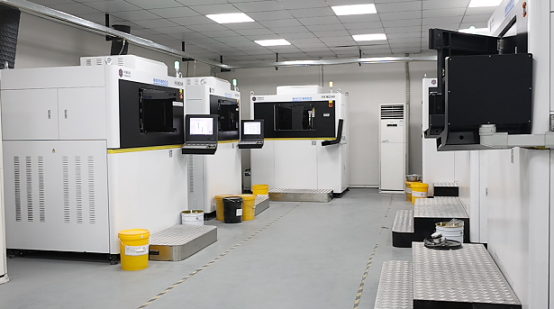
Typical use cases include pump housings, valve bodies, robotic structural interfaces, industrial fluid control parts, and integrated mechanical assemblies used in automation systems and energy-related equipment.
At ARES, we provide 316L stainless steel metal 3D printing services for functional prototypes and low-volume production parts. Our focus is on supporting engineers during the transition from digital design to manufacturable hardware, especially in cases where part integration and geometry complexity exceed traditional machining capability.