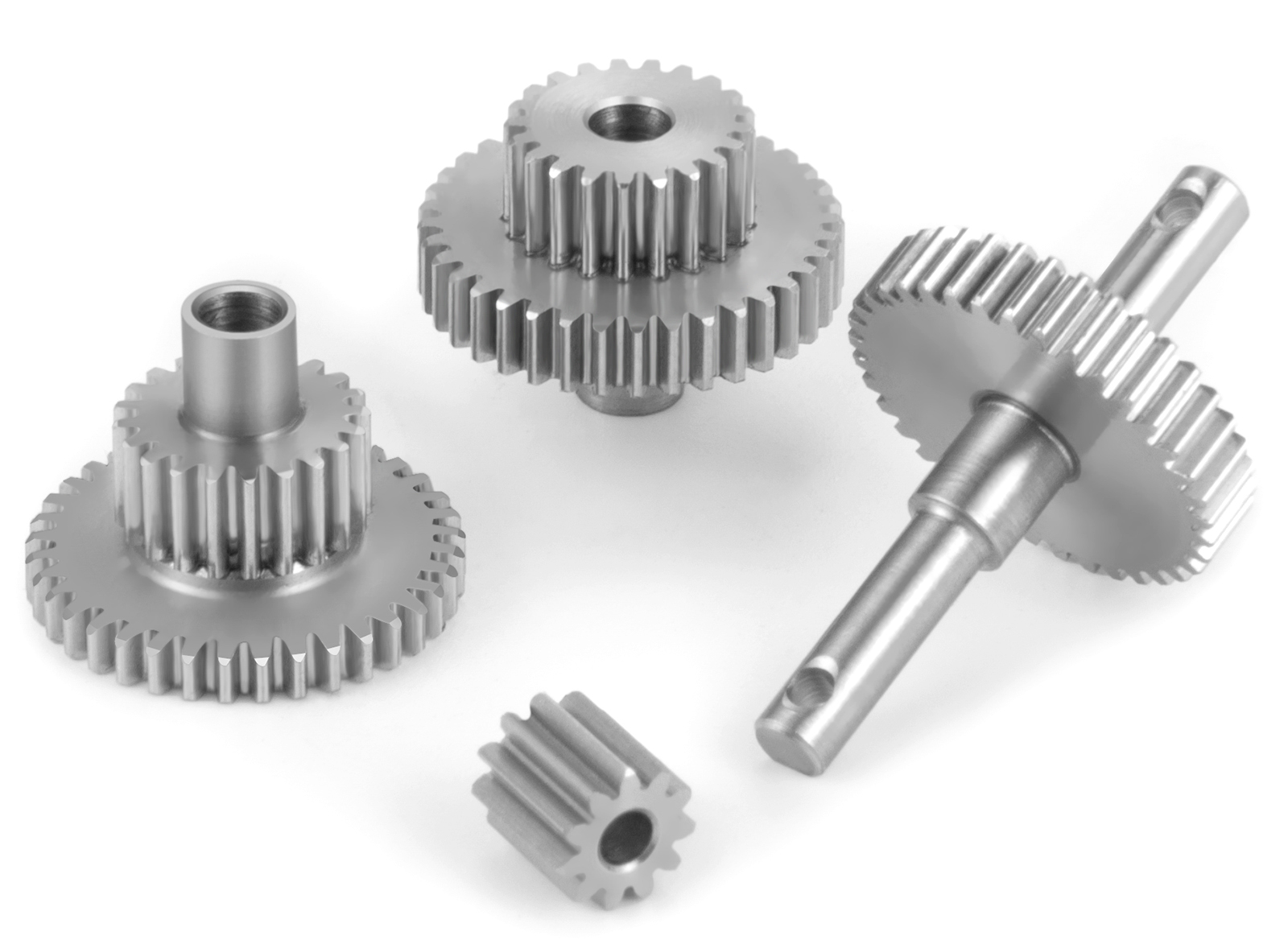
As humanoid robots continue to evolve, robotic hands have become one of the most complex mechanical systems in the entire assembly. While walking and balance often receive the most attention, the ability to grasp, hold, and manipulate objects depends heavily on the design and manufacturing quality of the fingers.
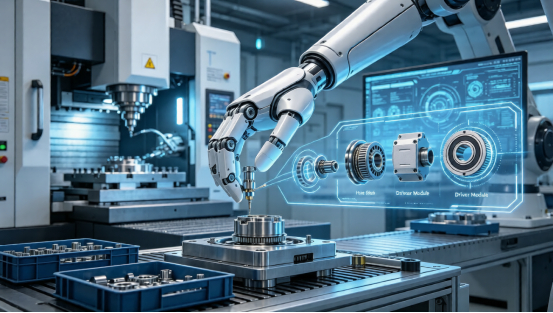
A robotic finger may appear simple, but it usually contains multiple joints, shafts, mounting features, and moving components. To achieve smooth and repeatable motion, every part must be manufactured with a high level of precision.
One of the biggest challenges in robotic finger manufacturing is controlling concentricity and coaxiality in joint areas. These features directly affect how smoothly the finger moves after assembly. Even small dimensional deviations can increase friction, create unwanted play, or reduce positioning accuracy.
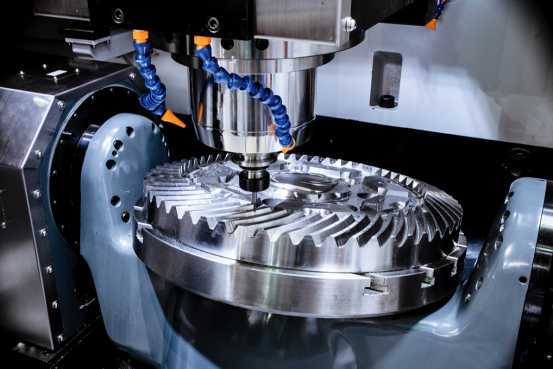
In addition to joint structures, robotic finger components often include bearing seats, threaded holes, and complex curved surfaces. Since many of these features are concentrated within a compact space, tight machining tolerances are essential for proper assembly and performance.
This is why 5-axis CNC machining is widely used in humanoid robot component manufacturing. Compared with conventional machining methods, 5-axis machining can complete multiple surfaces in a single setup, reducing repositioning errors caused by repeated clamping and part rotation.
For robotic fingers, palm structures, joint housings, and other complex components, fewer setups help improve dimensional consistency and overall machining accuracy. This is especially important during prototype development, where design changes and rapid iteration are common.
Today, most humanoid robot projects remain in the prototype and low-volume production stage. Fast turnaround, precision machining, and stable quality are critical to successful product development.
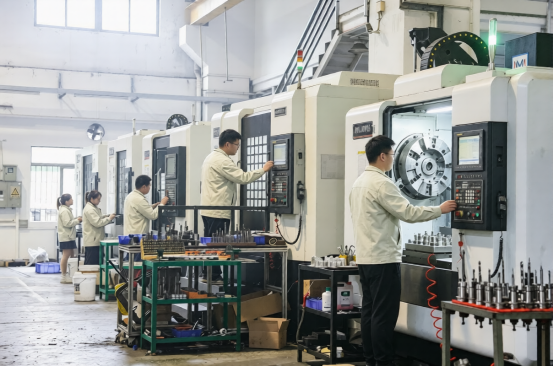
ARES Mold Technology provides 3-axis, 4-axis, and 5-axis CNC machining services for robotic fingers, joint housings, palm structures, and other precision components. Combined with anodizing, sandblasting, and heat treatment services, we support customers from prototype development to low-volume production.