Multi-Start Threaded Rotary Parts: How We Machine Them in One Setup with Mill-Turn
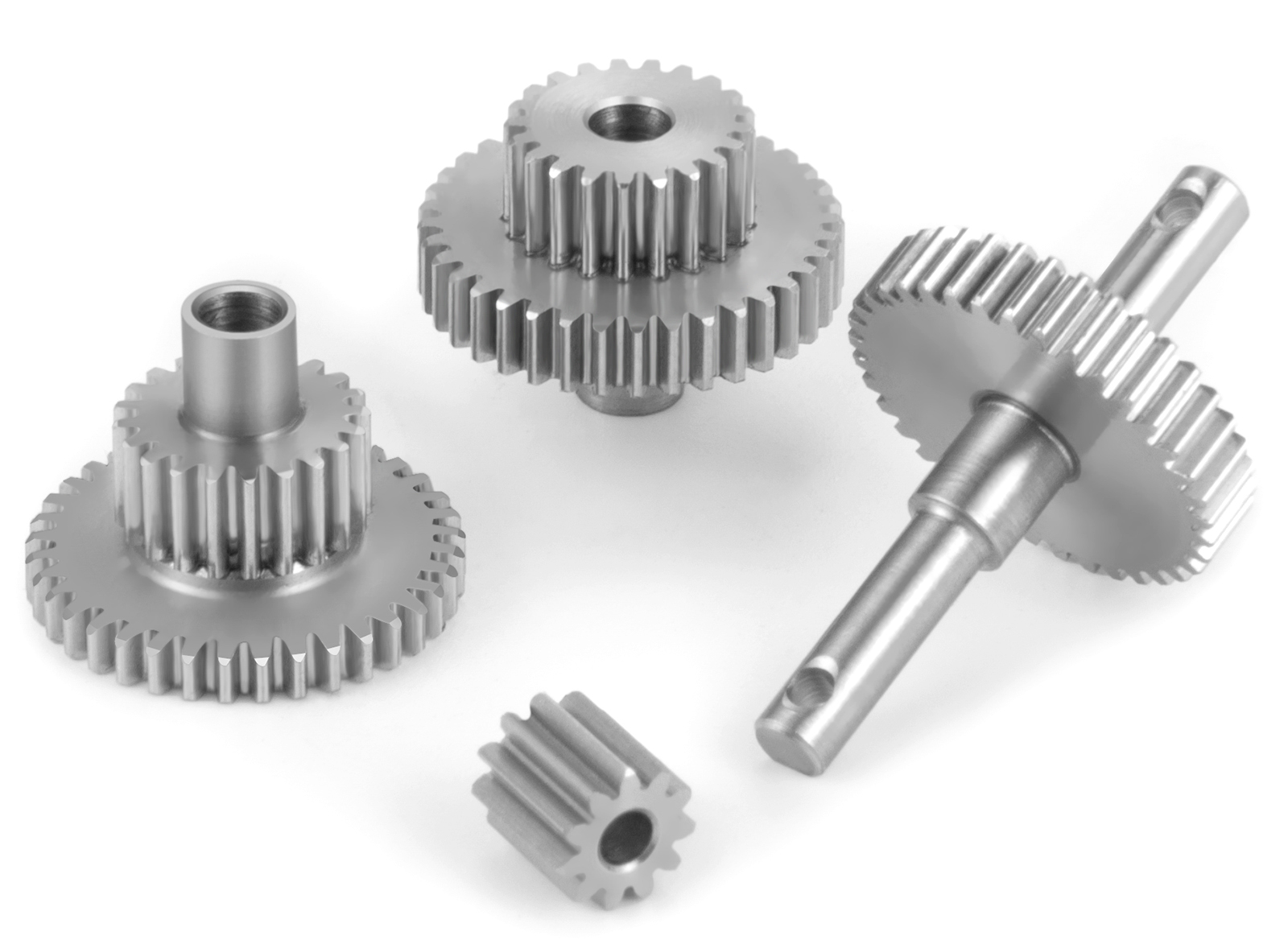
A part with multi-start external threads, off-center holes on the end face, and radial slots on the side — this kind of workpiece isn't rare in our shop. The structure doesn't look complicated at first glance, but once you break down the operations, the challenges become clear.
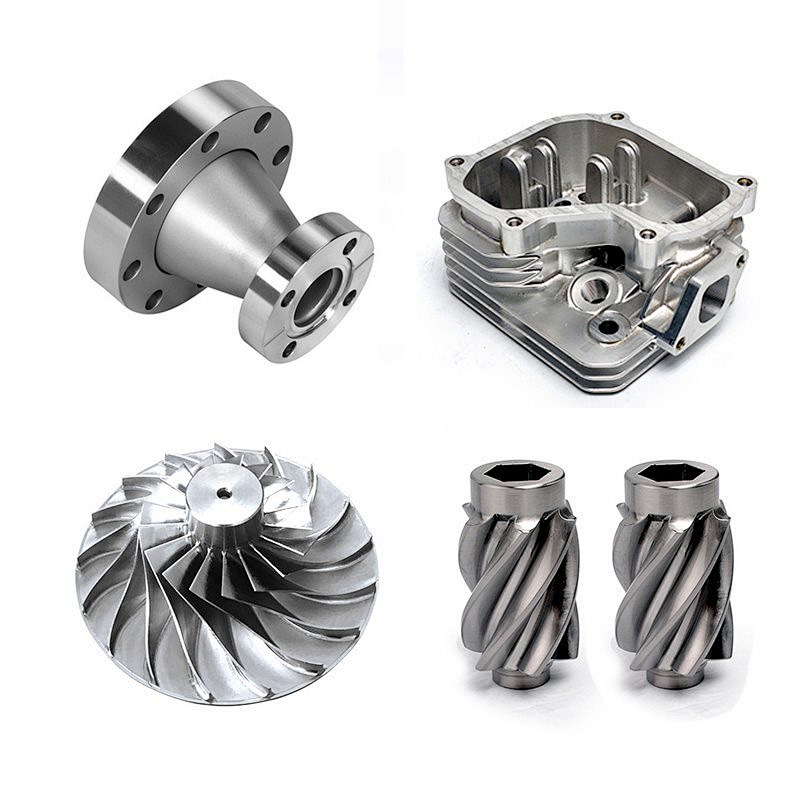
The multi-start thread needs turning. The off-center holes need milling. The radial slots need drilling and milling. Using a conventional approach, you turn the thread on a lathe, then move the part to a machining center, indicate it in, mill the end face holes, then set it up on an indexing head for the side slots. Three setups, three rounds of alignment, and the datum keeps shifting. The positional relationship between the thread and the end face holes, the angular relationship between the radial slot and the thread start — all of it depends on an operator picking up edges and setting zeros by hand. Consistency is hard to hold. For one or two prototypes, it's manageable. But once you hit small batch quantities, repeating the same manual alignment for every single piece kills efficiency and makes accuracy hard to lock down.
Our approach is to go straight to mill-turn. One setup, all operations completed in a single cycle.
The blank goes in, clamped on the main spindle. The OD and end face are machined in one pass to establish the datum. Next, multi-start thread turning. Pitch accuracy is maintained by the machine's own servo control — no manual thread pitch setup. The thread start point is also machine-controlled, so the indexing angle between multiple starts is precise. With the thread done and the part still on the same spindle, the live tooling comes in to mill the off-center holes on the end face. Because the datum hasn't moved, the positional accuracy between the holes and the thread axis is guaranteed directly by the machine's geometric precision — no secondary alignment required. Finally, the radial slots on the side. The main spindle's C-axis handles the indexing, and the live tooling drills and mills at the programmed angles. The angular relationship between the slots and the thread start is locked in by the machine's indexing, no need to take the part off and put it on a dividing head.
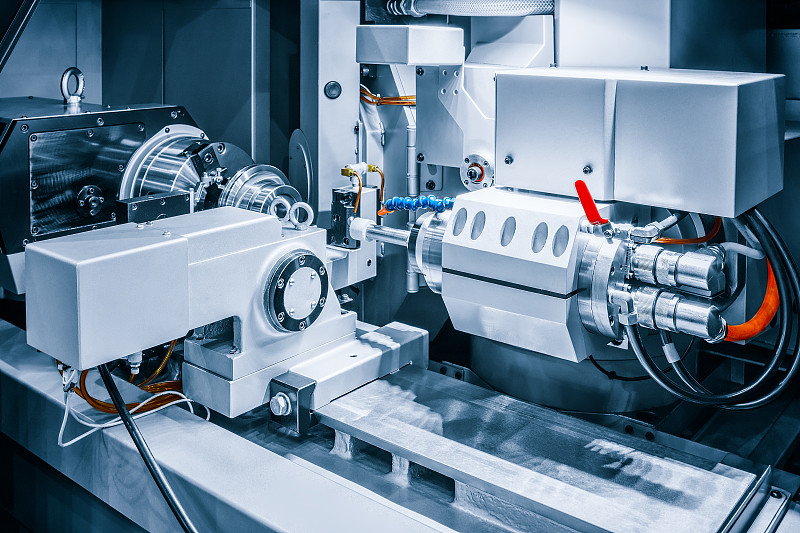
Throughout the entire process, the part never leaves the spindle. Every feature comes off a single datum, and the positional relationships are guaranteed by the machine itself, not by an operator touching off. This is the fundamental difference between mill-turn and the traditional split-process approach — the source of accuracy shifts from operator dependency to machine capability.
On the materials side, we see a lot of aluminum alloy, with some stainless steel as well. Aluminum runs at standard parameters. For stainless, we reduce speeds, increase cooling, and use dedicated turning inserts. Stainless has a tendency to gall on the cutting edge. If cutting heat isn't managed well, the thread surface can tear and pitch accuracy can drift, so coolant pressure and insert coating both matter. Material condition varies from drawing to drawing, and parameters follow accordingly.
What kind of accuracy can we hold. Multi-start thread pitch tolerance within ±0.02 mm, off-center hole position within ±0.03 mm. The mill-turn machine is right next to our CMM in the shop. Parts come off the machine and go straight onto the CMM, data comes out on the spot. Not spot-checking — every single part gets measured. This matters especially for small batch work. The first piece and the last piece, data side by side, consistency you can see.
Capacity-wise, our mill-turn handles a max swing diameter of 500 mm and length up to 800 mm. From small precision parts like finger joints to mid-sized components like arm structures, single prototype to batches of hundreds, everything runs in-house on one line, no subcontracting, no outsourcing. For larger workpieces beyond mill-turn capacity, we have 5-axis and large-travel 3-axis machines to cover those.
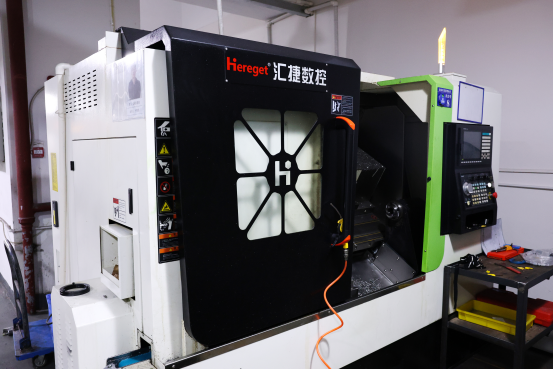
The reason a part like this makes the most sense on mill-turn isn't about the machine being more advanced. It's about the part geometry being a natural fit for the mill-turn logic — a rotary body, multi-start threads, off-center holes, and radial slots. Four features that align with four functions: turning, milling, drilling, and indexing. All covered in one setup on one machine. What you save isn't just one operation. It's all the time and accuracy loss across the entire process chain.
Alishi Mold Technology Co., Ltd. — Source factory, in-house CNC workshop, mill-turn / 5-axis simultaneous / 3-axis & 4-axis capability. Custom machining from drawings, same-day process feedback and lead time, 24/7 online, inquiries welcome.