How 3D Printing Can Help Hardware Startups Cut Prototyping Costs in Half
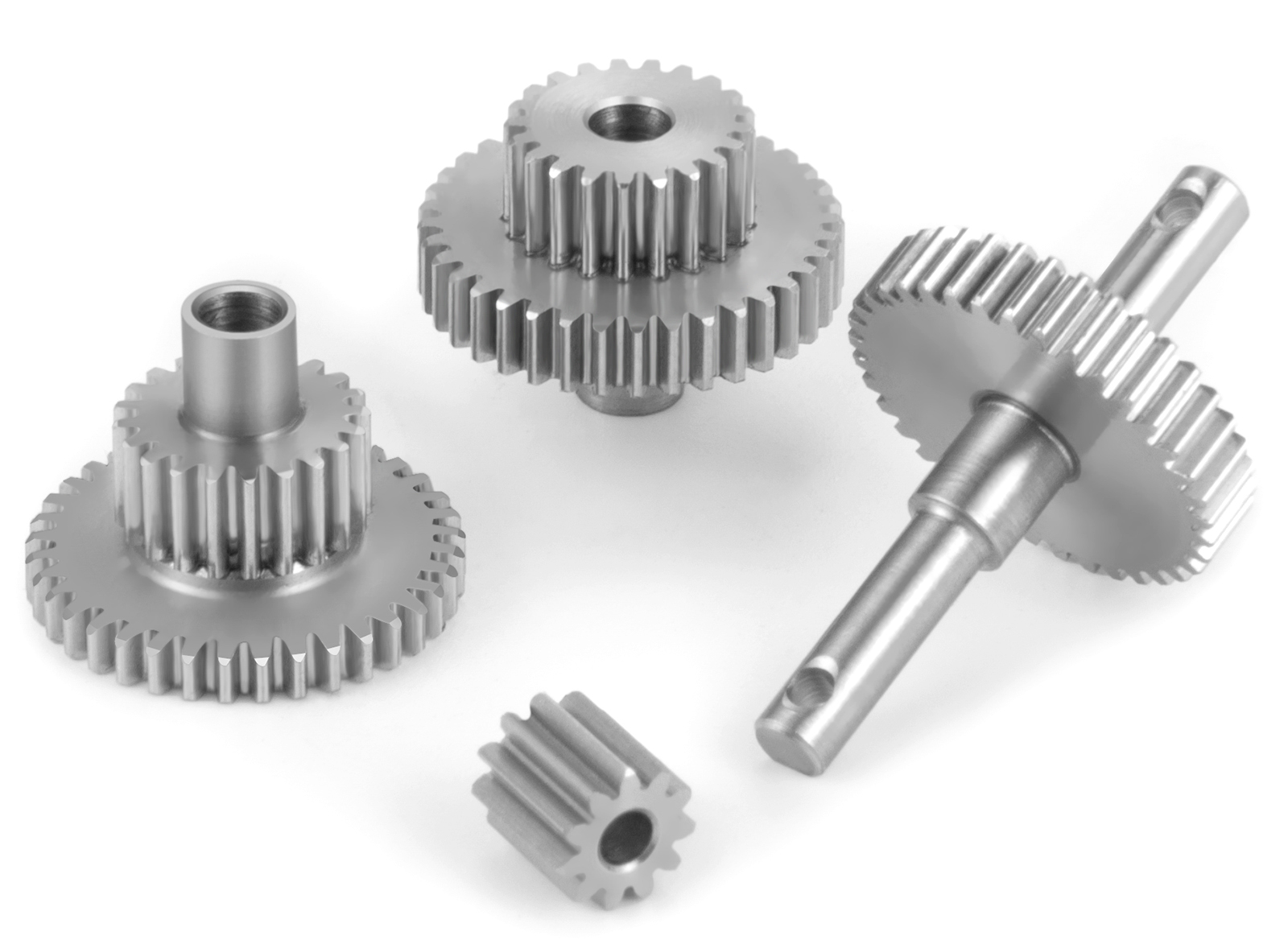
For hardware startups, burning through cash on prototypes is the norm. A single set of CNC-machined metal housings can easily cost over a thousand dollars, and every design change means paying all over again. After several rounds of iteration, you're looking at twenty to thirty thousand dollars gone—a path that simply doesn't work for cash-strapped early-stage teams.
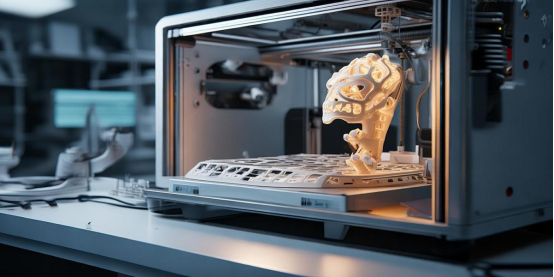
But 3D printing is changing the equation. Not by producing models that just sit on a shelf, but by delivering functional prototypes that can be assembled, tested, and evaluated like the real thing. Master a few key principles, and cutting prototyping costs by 40% to 60% becomes entirely achievable.
Know what you're validating before choosing a process
Too many people default to high-detail photopolymer resins, only to end up with brittle parts that crack under the slightest load. The right approach is to clarify your test objective first: checking structural fit and assembly? Go with nylon MJF or SLS, which offer strength close to ABS and thread-forming capability for repeated screw fastening. Evaluating look and feel? Photopolymer is your answer. Testing heat resistance? That's when you consider metal printing or low-cost CNC.
Design with 3D printing in mind from the start
The same part geometry can yield wildly different quotes depending on how you model it. Hollowing out solid volumes, avoiding large filled sections, and minimizing support structures all make a significant impact on cost. One hardware founder with five rounds of iteration behind him put it this way: "Every time I upload a file, I run it through the quoting tool first to see where the cost spikes are. Fixing things then is far more efficient than designing in the dark and getting a nasty surprise later."
Iterate in pieces instead of printing full assemblies at once
Many teams make the mistake of committing the entire product to print in one go, only to scrap everything when one part needs revision. A smarter approach: nylon prints for structural housing validation, cheap resin for internal brackets, and off-the-shelf components for standard parts wherever possible. Smaller, more focused iterations keep individual spend low.
Validate with 3D printing, finalize with CNC
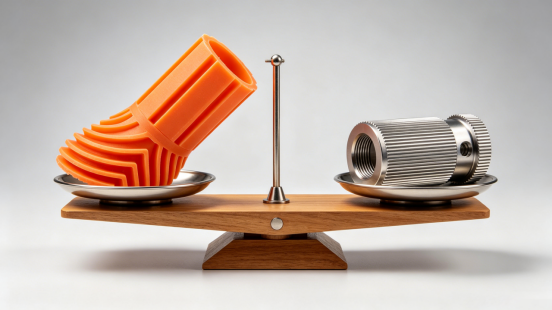
3D printing excels at rapid trial and error, but some metal parts will still need CNC for the final version. The two aren't substitutes—they're complementary. Run three or four rounds of structural verification with printed parts, and only when the design is locked down, produce a single set of CNC-machined aluminum final prototypes. The total spend is often less than half of what full CNC iteration would have cost.
Make use of your manufacturing platform's engineering review
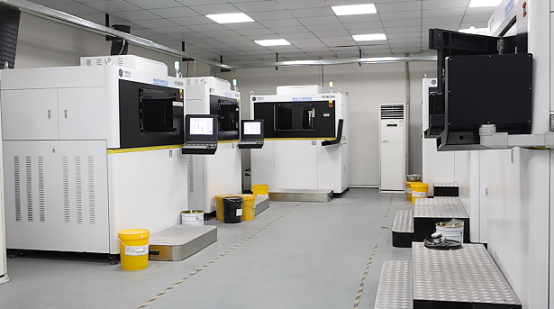
After uploading design files, take advantage of DFM analysis to catch issues like thin walls, overhangs, and overly fine features before they ruin a print. Plenty of designers see perfect geometry on screen only to have it fail on the machine. Letting platform engineers flag problems early is essentially a free quality checkpoint.
Ultimately, 3D printing lowers prototyping costs not because the material is cheaper, but because it allows teams to fail fast and fail cheaply. In traditional manufacturing, a single mistake can cost thousands, which makes people afraid to take risks. 3D printing brings each experiment down to a few hundred dollars, and more iterations lead to a more mature product.
Have a 3D printing need or want to explore how to reduce your prototyping costs? Get in touch with us. We provide end-to-end support, from process selection to prototyping and delivery.